%2Ffit-in%2F250x250%2Fguide_websites%2F29741%2Fimages%2F1744211239192chatgptimageapr9202508_05_33pm.png&w=1920&q=100)
/users/4c728041-43b6-4133-b952-b6cbddfc0948/ratecard/image-2025-04-09t200901.311.png)
%2F300x300%2Fusers%2F4c728041-43b6-4133-b952-b6cbddfc0948%2Fratecard%2Fimage-2025-04-09t200901.311.png&w=256&q=75)
%2F300x300%2Fusers%2F4c728041-43b6-4133-b952-b6cbddfc0948%2Fimages%2Ffishing-tours-michigan-2628.jpg&w=256&q=75)
%2F300x300%2Fusers%2F4c728041-43b6-4133-b952-b6cbddfc0948%2Fimages%2Fdiscover-the-beauty-of-hale-2560.jpg&w=256&q=75)
%2F300x300%2Fusers%2F4c728041-43b6-4133-b952-b6cbddfc0948%2Fimages%2Fscenic-fishing-tour-hale-2590.jpg&w=256&q=75)
%2F300x300%2Fusers%2F4c728041-43b6-4133-b952-b6cbddfc0948%2Fimages%2Ffishing-tours-hale-2532.jpg&w=256&q=75)
%2F300x300%2Fusers%2F4c728041-43b6-4133-b952-b6cbddfc0948%2Fimages%2Fbest-great-fishing-tours-mi-2495.jpg&w=256&q=75)
%2F300x300%2Fusers%2F4c728041-43b6-4133-b952-b6cbddfc0948%2Fimages%2Fbest-great-fishing-tours-mi-2656.jpg&w=256&q=75)
%2F300x300%2Fusers%2F4c728041-43b6-4133-b952-b6cbddfc0948%2Fimages%2Fangler-fishing-tour-hale-2571.jpg&w=256&q=75)
%2F300x300%2Fusers%2F4c728041-43b6-4133-b952-b6cbddfc0948%2Fimages%2Fgag-grouper-fishing-tour-mi-2692.jpg&w=256&q=75)
%2F300x300%2Fusers%2F4c728041-43b6-4133-b952-b6cbddfc0948%2Fimages%2Flargemouth-bass-fishing-tour-hale-2681.png&w=256&q=75)
%2F300x300%2Fusers%2F4c728041-43b6-4133-b952-b6cbddfc0948%2Fimages%2Flargemouth-bass-michigan-fishing-2662.png&w=256&q=75)
Expert-Guided Fishing on Stylus Lake, Hale MI
 Hale, MI
What you will be catching:
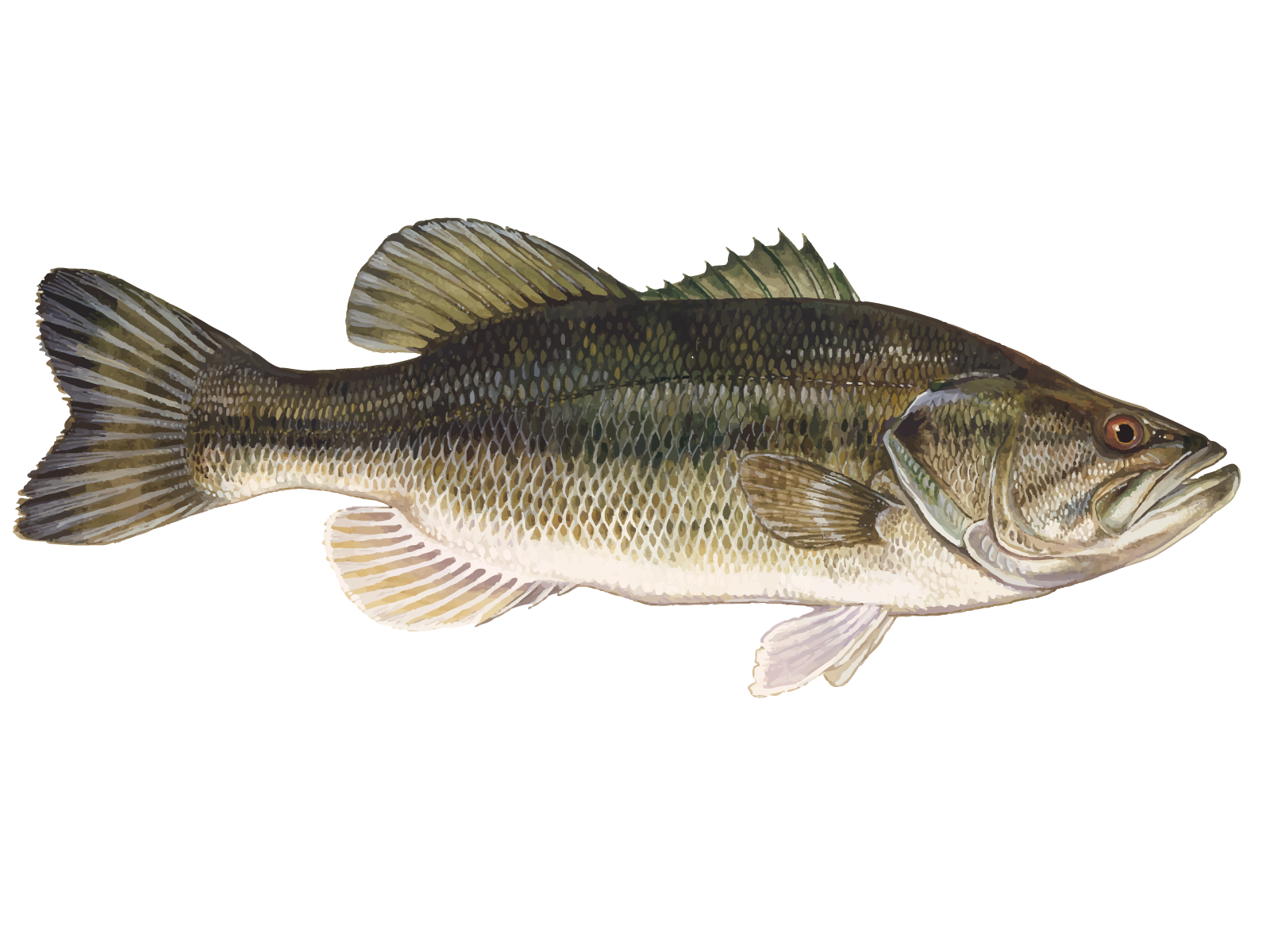 Largemouth Bass
- 4-hour guided bass fishing experience on Stylus Lake in Hale, MI
- All fishing equipment provided for up to 6 guests of any skill level
- Expert guide teaches techniques while exploring scenic lake and local wildlife
Trip Pricing and Availabilities:
Reel in Trophy Bass on Stylus Lake
Ready for some serious bass action? Grab your tackle and join us for a half-day fishing trip on Stylus Lake in Hale, MI. We'll hit the water for 4 hours of non-stop casting, with our expert guide showing you all the local hotspots. Whether you're a seasoned pro or just getting your feet wet, this trip is perfect for anyone looking to land some lunkers. We've got all the gear you need, so just bring yourself and get ready to make some waves!
Trip Overview
Picture this: You're out on Stylus Lake as the sun starts to climb, mist rising off the water. Your guide's got the boat positioned perfectly near some prime structure. You make that perfect cast, your lure hits the water with a soft 'plop', and BAM! A monster bass slams it. That's what you're in for on this 4-hour trip. We'll cruise the lake, hitting all the sweet spots where the big ones like to hang out. Our guide knows this lake like the back of their hand, so you're in for some serious action. Don't worry if you're new to this - we'll show you the ropes and have you catching fish in no time. And if you're an old pro? Well, get ready to swap some stories and maybe learn a new trick or two.
What to Expect on the Water
We'll be focusing on largemouth bass fishing, using a mix of techniques to get those fish biting. Expect to do some casting along weed lines and near submerged logs - that's where the big boys like to hide. We might throw some topwater lures early in the morning for that heart-stopping surface action. As the day heats up, we'll switch to plastics or jigs to entice those deeper fish. Our guide will read the conditions and adjust our strategy to maximize your chances of hooking up. We provide all the gear you need - quality rods, reels, and a tacklebox full of proven lures. Just bring a hat, some sunscreen, and your favorite lucky fishing shirt!
Top Catches This Season
Stylus Lake has been on fire lately! We've been seeing some real toad largemouth coming to the boat. Just last week, one of our guests landed a 7-pounder that put up a fight worthy of a fishing story for years to come. The lake's got a healthy population of 2-4 pounders, with plenty of bigger fish mixed in to keep things exciting. Our catch-and-release policy helps keep the fishing hot, so there's always a chance at that personal best.
Species You'll Want to Hook
Largemouth Bass: These are the stars of the show on Stylus Lake. Known for their aggressive strikes and acrobatic jumps, largemouth bass are a blast to catch. They can grow up to 10 pounds or more in these waters, though a good average is 2-4 pounds. Spring and early summer are prime times as the bass move shallow to spawn. Look for them near cover like fallen trees, weed beds, and docks. In the heat of summer, they'll often retreat to deeper, cooler water, but our guide knows just how to tempt them out. The fall can be fantastic too, as the bass feed heavily to fatten up for winter. These fish are known for their "bucket" mouths - perfect for inhaling a well-presented lure. When you set the hook on a big largemouth, get ready for some serious rod-bending action!
Why Anglers Keep Coming Back
There's something special about Stylus Lake that keeps folks coming back year after year. Maybe it's the crystal-clear water that lets you see the fish follow your lure. Or it could be the peaceful surroundings - you're more likely to hear a loon call than a car horn out here. But let's be honest, it's probably the fish. The bass population in this lake is healthy and thriving, offering consistent action throughout the season. Our guests love the mix of quantity and quality - you might catch a dozen in a morning, with a real chance at a trophy. Plus, with our expert guide at the helm, you're always learning something new. Whether it's a subtle twitch of the rod that triggers a strike or a secret spot that always produces, you'll leave a better angler than when you arrived.
Time to Book Your Spot
Alright, let's cut to the chase - if you're itching to get out on the water and tangle with some hard-fighting largemouth, this is your chance. Our Half Day Guided Bass Fishing Trip on Stylus Lake is the real deal. You've got 4 solid hours of fishing with a pro who knows every nook and cranny of this lake. All the gear's provided, so there's no fuss, no muss - just pure fishing action. Whether you're looking to learn the ropes, hone your skills, or just enjoy a morning on the water, we've got you covered. Spots fill up fast, especially during peak season, so don't wait around. Grab your fishing buddies (or make it a solo trip - we won't judge) and lock in your date. The bass are waiting, and trust me, you don't want to miss out on the epic battles that are going down on Stylus Lake. Book now and get ready to create some serious fishing memories. Tight lines!
Learn more about the species
Largemouth Bass
Largemouth Bass (Micropterus salmoides)
It is the most famous and biggest member of the sunfish family and is a renowned game fish. Largemouth Bass has a green or olive-green color body and dark or black horizontal markings on its body giving it the nickname black bass. It has a slightly forked tail and the soft rays on dorsal fins are separated by deep points.
The average adult Largemouth Bass averages 12 inches to 24 inches and weighing between 1 to 4.5 pounds.
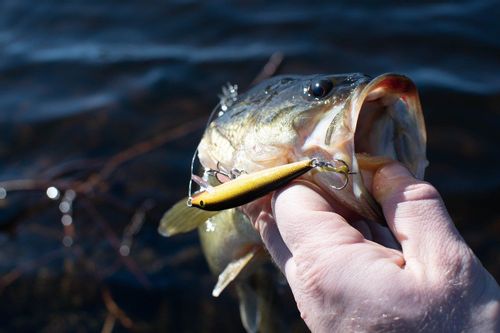
Interesting facts:
- They are appropriately named having an exceptionally large mouth and when opened, the upper jaw goes well beyond its eyes.
- They are an angler's favorite as they give quite a fight when reeled out of water.
- Largemouth can detect their prey’s vibrations using their sixth sense called lateral lines as well as their keen sense of smell.
- Largemouth Bass are attracted to red color.
Where to Find Largemouth Bass

The Largemouth Bass mostly live in ponds, lakes, and medium-sized water bodies, but can be found near ditches and creeks. They like a warm place abundant in weeds and shallow muddy waters. The Largemouth Bass is only native to North America and is densely populated in the eastern and southernmost states. They now have been expanded to every state of America except Hawaii and Alaska. Due to its popularity as a game fish, the species has been introduced in many countries of Europe, Asia, Africa, South America, and Central America.
Spawning
When matured, largemouth bass usually spawns from late winter to late spring. The eggs are guarded by the male. When hatched the school remains for about 3 to 4 weeks under their father’s protection before dispersing. The optimum temperature when the eggs are laid is a steady 60 ºF or higher.
Largemouth Bass Size and Speed
Largemouth bass size and speed are two essential factors that anglers consider when fishing for this popular game fish. The largemouth bass is one of the largest freshwater fish species found in North America, with adult fish typically ranging from 12-24 inches long and weighing anywhere from 2-10 pounds or more. However, some specimens have been known to reach lengths of up to 30 inches, and the biggest largemouth bass ever caught weighed more than 22 pounds.
One reason why largemouth bass size is so important to anglers is that larger fish tend to be older and more experienced, making them harder to catch than their smaller counterparts. Additionally, larger fish can put up a much stronger fight when hooked, which adds an extra level of excitement and challenge for anglers. On the other hand, speed is another important factor that affects the behavior of largemouth bass.
Food
The Largemouth Bass's food consists of other fishes such as gizzard, shad, threadfin shad, golden shiners, bluegills, catfish, crayfish, and other smaller fishes. Snakes, salamanders, mice, bats, frogs, and other creatures are also victims.
Fishing Techniques - How to Catch Largemouth Bass
They are most abundantly found in places where it is easier to hide, such as sunken objects and thick weeds. Other spots include gradual shores, under bridges, open waters, and shorelines.
- Fishing with swim-baits is a highly successful way to catch these fish. There are both hard and soft varieties made out of wood or plastic rigged with hooks.
- Dragging is mostly used to catch Largemouth. Use plastic baits and Carolina rig. Most effective to use in the hard bottom and non-vegetated areas.
- In shallow water and grass-rich areas, try wacky fishing using straight worms and a variety of hooks.
You can use the jigs, crankbaits, jerk baits, hoppers, minnows, plugs, and live bait such as worms or minnows. These fish are abundant and you should be able to snag one with any of these on your hook.
For the fly fisherman, it’s important to have the right rig. An important thing to remember is that the Largemouth Bass does not spook easily and will put up a fight. With this in mind, it never hurts to pack heavy gear. A 6-weight will get the job done for most bass, but if you're looking for the big one, be safe with your 8-weight, it will always do the job especially when fishing big lakes and rivers.
When choosing your reel, just match it to whichever rod you’re using weight-wise. For bigger fish, we recommend using a disk drag as it will give you a more gradual resistance in the line with a sinking leader.
Use flies, primarily streamers, that are colorful and/or shiny. You will catch their attention with brightly colored flies in the murky water where they dwell. Using poppers is extremely effective as they are made to copy the actions of topwater food such as frogs which are a big part of their diet.
Weighted flies are especially useful in the late summer when the fish are down in deeper water where it is cooler.
What is the Difference Between Spotted Bass and Largemouth Bass
Spotted bass and largemouth bass are two of the most popular game fish in North America. While they may look similar, there are significant differences between them that make them unique. Understanding these differences can help anglers choose the right bait and technique to catch more fish.
Spotted bass have a smaller mouth than largemouth bass, making it easier for them to swallow smaller prey such as crustaceans or insects. They also tend to be more aggressive and will chase down their prey rather than waiting for it to come to them. Largemouth bass, on the other hand, prefer larger prey such as frogs or small fish and will often ambush their prey by hiding in cover before striking.
Another difference between spotted bass vs largemouth bass is their habitat preference. Spotted bass thrive in clearer water with rocky bottoms while largemouths prefer murky water with plenty of vegetation.
Is Largemouth Bass Good to Eat?
Are largemouth bass good to eat? The answer is yes, but with a catch. While it is safe to consume largemouth bass, it is important to consider the quality of the water where they were caught and any potential contaminants. To ensure the best taste and safety, it is recommended to only eat largemouth bass caught in clean, clear bodies of water that have been properly prepared and cooked. Overall, with the right precautions, largemouth bass can be a delicious meal for those who enjoy the sport of fishing and culinary experimentation.
Next, when it comes to cooking and eating largemouth bass, it's important to remember that the fish should be handled and prepared with care to ensure its quality and taste. To ensure that the meat remains firm and delicious, anglers should clean and store the fish properly, and cook it with the right seasonings and techniques. When done correctly, largemouth bass can make for a delicious meal, enjoyed by many fishing enthusiasts across the country.
About the 20' Quest
%2F%2Fusers%2F4c728041-43b6-4133-b952-b6cbddfc0948%2Fvehicle_picture%2Fimage-2025-04-09t202121.145.png&w=1920&q=75)
Vehicle Guest Capacity: 7
Manufacturer Name: Mercury
Maximum Cruising Speed: 35
Number of Engines: 1
Horsepower per Engine: 35